Essential Data Center Architecture Tips for IT Consultants
In the rapidly evolving world of technology, data centers play a crucial role in supporting businesses and their operations. As an IT consultant, understanding the intricacies of data center architecture is essential for providing effective solutions to your clients. This blog post will explore key tips and best practices for designing and managing data centers, ensuring that you can deliver optimal performance and reliability.

Understanding Data Center Architecture
Data center architecture refers to the design and layout of the physical and virtual components that make up a data center. This includes servers, storage, networking equipment, and the infrastructure that supports them. A well-structured architecture is vital for ensuring efficiency, scalability, and security.
Key Components of Data Center Architecture
Physical Infrastructure
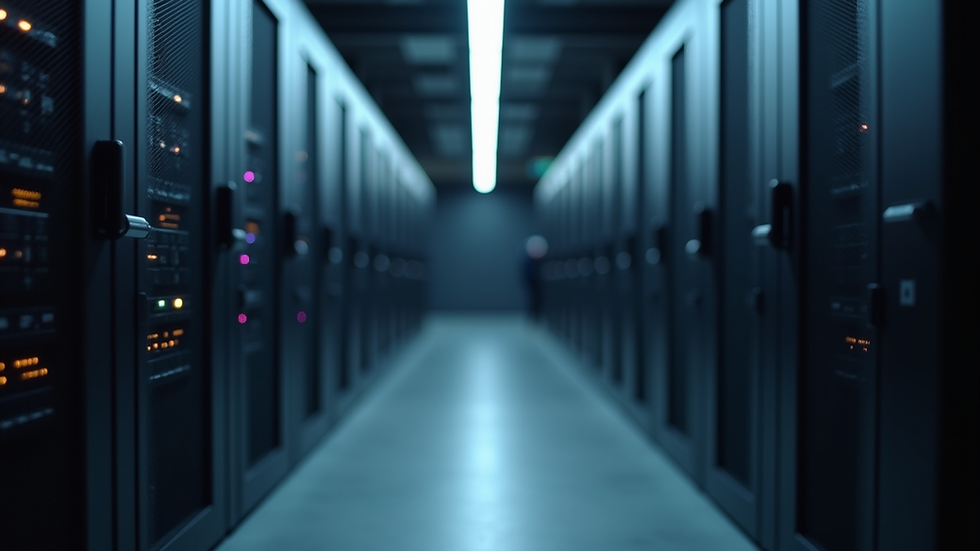
Racks and Cabinets: Organizing servers in racks helps maximize space and improve airflow.
Cooling Systems: Effective cooling is essential to prevent overheating and maintain optimal performance.
Power Supply: Redundant power supplies ensure that the data center remains operational during outages.
Networking
Switches and Routers: These devices facilitate communication between servers and external networks.
Firewalls: Security measures protect against unauthorized access and cyber threats.
Storage Solutions
Direct Attached Storage (DAS): Provides high-speed access to data but lacks scalability.
Network Attached Storage (NAS): Offers shared access to data over a network, making it suitable for collaborative environments.
Storage Area Networks (SAN): Provides high-speed access to consolidated storage resources.
Best Practices for Designing Data Centers
1. Plan for Scalability
As businesses grow, their data needs will increase. Designing a data center with scalability in mind allows for easy expansion without significant overhauls. Consider modular designs that can accommodate additional servers and storage as needed.
2. Implement Redundancy
Redundancy is critical for ensuring uptime and reliability. This includes:
Power Redundancy: Use uninterruptible power supplies (UPS) and backup generators.
Network Redundancy: Implement multiple network paths to prevent single points of failure.
Data Redundancy: Regularly back up data and use replication strategies to ensure data availability.
3. Optimize Cooling Solutions
Efficient cooling is vital for maintaining server performance. Consider the following strategies:
Hot and Cold Aisle Containment: Organize server racks in alternating rows to separate hot and cold air.
In-Row Cooling: Place cooling units between server racks to provide targeted cooling.
Free Cooling: Utilize outside air for cooling when conditions permit, reducing energy costs.
4. Enhance Security Measures
Data centers are prime targets for cyberattacks. Implement robust security measures, including:
Physical Security: Use access controls, surveillance cameras, and security personnel to protect the facility.
Network Security: Employ firewalls, intrusion detection systems, and regular security audits to safeguard data.
5. Monitor Performance
Continuous monitoring of data center performance is essential for identifying issues before they escalate. Use monitoring tools to track:
Temperature and Humidity: Ensure optimal environmental conditions.
Power Usage: Monitor energy consumption to identify inefficiencies.
Network Traffic: Analyze traffic patterns to detect anomalies.
Choosing the Right Data Center Location
The location of a data center can significantly impact its performance and reliability. Consider the following factors when selecting a site:
1. Natural Disaster Risk
Evaluate the risk of natural disasters such as earthquakes, floods, and hurricanes. Choose a location with a low risk of such events to minimize potential downtime.
2. Accessibility
Ensure that the data center is easily accessible for maintenance and upgrades. Proximity to major transportation routes can facilitate quick response times in emergencies.
3. Connectivity
Select a location with access to multiple internet service providers (ISPs) to ensure redundancy and optimal connectivity.
Future Trends in Data Center Architecture
As technology continues to evolve, so too will data center architecture. Here are some trends to watch:
1. Edge Computing
Edge computing involves processing data closer to the source, reducing latency and bandwidth usage. This trend is particularly relevant for IoT devices and applications requiring real-time processing.
2. Green Data Centers
Sustainability is becoming increasingly important. Data centers are adopting energy-efficient technologies and renewable energy sources to reduce their carbon footprint.
3. Software-Defined Data Centers
Software-defined data centers (SDDC) use virtualization technologies to manage resources dynamically. This approach allows for greater flexibility and efficiency in resource allocation.
Conclusion
Designing and managing a data center requires careful planning and consideration of various factors. By implementing best practices in scalability, redundancy, cooling, security, and performance monitoring, IT consultants can create efficient and reliable data center architectures. As technology continues to advance, staying informed about emerging trends will ensure that your data center solutions remain relevant and effective.
By focusing on these essential tips, you can help your clients build data centers that not only meet their current needs but also adapt to future challenges. Embrace the evolving landscape of data center architecture and position yourself as a trusted advisor in this critical area of IT consulting.

Comments